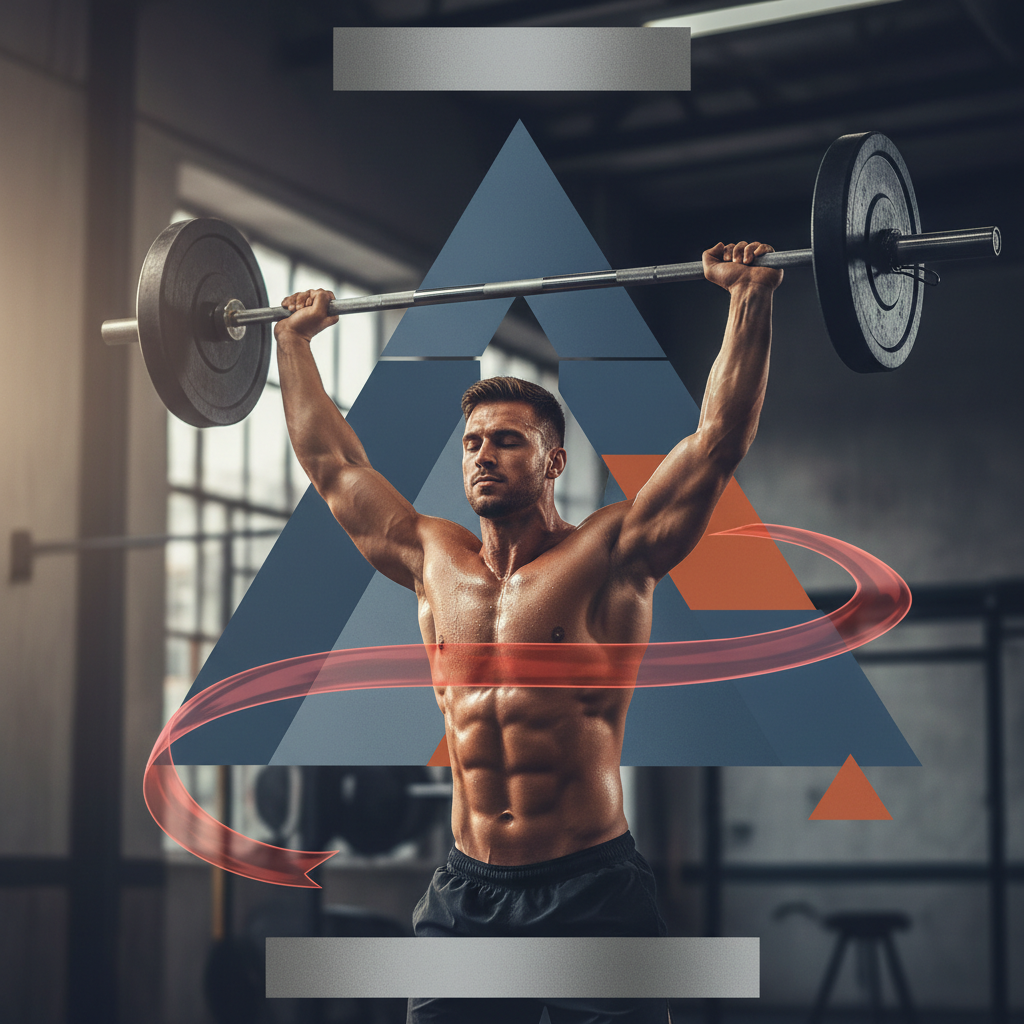
This post breaks down the direct link between physical resistance training and mental self-confidence. It provides readers with the 'First Five' rule for discipline and the concept of 'Volitional Hardship' to build a character that thrives under pressure.
The Iron Mindset: Building Unshakeable Self-Confidence Through Physical Resistance
Most people treat self-confidence like a mood—something that visits them on a good hair day or after a win at work. They wait to "feel" confident before they take action. At Leader Supreme, we know that is a recipe for mediocrity. Confidence isn't a feeling; it is a clinical result of proof. Specifically, it is the result of making promises to yourself and keeping them when it hurts.
The fastest, most objective way to build this proof is through physical resistance. When you push against a weight that wants to crush you, or run a mile when your lungs are screaming for oxygen, you aren't just building muscle. You are conducting a diagnostic test on your character.
The Cognitive Link Between Muscle and Mind
There is a direct neurochemical correlation between physical exertion and mental resilience. When you engage in high-intensity physical training, your brain releases brain-derived neurotrophic factor (BDNF), which acts like fertilizer for your neurons. But the psychological benefit is even more potent.
Each time you hit a personal record or complete a grueling session you didn't want to start, you are rewiring your self-image. You stop seeing yourself as someone who "tries" and start seeing yourself as someone who "executes." This is the foundation of the Supreme Version of yourself. You cannot lie to a barbell. It either moves or it doesn't. That objective truth provides a level of clarity that corporate feedback or social media validation never can.
The "First Five" Rule for Discipline
To bridge the gap between physical effort and unshakeable confidence, you need a framework for the moments when discipline wavers. Internalize the "First Five" Rule.
The hardest part of any discipline-heavy task—whether it’s a 5:00 AM workout or a difficult cold call—is the first five minutes. Your brain is designed to keep you safe, comfortable, and stagnant. It will scream excuses during these first five minutes. Your job is not to argue with those excuses; your job is to ignore them until the clock hits 5:01. Once you are five minutes into the sweat, the momentum of action overrides the friction of starting. By winning the first five minutes, you prove to your subconscious that your willpower is the commanding officer, and your whims are merely subordinates.
Forging Mental Toughness Through Volitional Hardship
Volitional hardship is the practice of choosing the difficult path specifically because it is difficult. Most people spend their lives optimizing for comfort, which inadvertently atrophies their confidence. If you never face resistance, you never learn how to overcome it.
Incorporate one "hardship anchor" into your daily routine. This could be a three-minute ice-cold shower at the end of your hygiene routine, an intentional fast, or adding an extra mile to your run when you're already exhausted. These aren't just physical stressors; they are confidence deposits. When the "real world" throws a crisis your way—a job loss, a relationship strain, or a financial setback—your brain will refer back to your hardship anchors. It will realize that because you chose to suffer and survived, you are more than capable of handling the involuntary stress currently in front of you.
Tactical Physicality and Internal Presence
Your physical posture and the way you occupy space are the outward manifestations of your internal state. However, the feedback loop works both ways. If you want to feel supreme, you must carry yourself with an "operator-grade" presence.
Avoid the "default slouch" of the modern era—shoulders rounded from phone usage and head down. Practice active posture: pull your shoulder blades down and back, keep your chin parallel to the ground, and maintain a neutral spine. This isn't about vanity; it’s about signaling to your own hormonal system that you are in a position of dominance over your environment. Studies show that expansive postures can lower cortisol and increase testosterone levels. You aren't "faking it"—you are using your physiology to trigger a psychological shift.
Conclusion: The Proof is in the Doing
Unshakeable self-confidence is earned in the dark, in the cold, and under the iron. You cannot read your way into being a Supreme Leader; you must work your way there. Stop looking for hacks or "mindset shifts" that don't involve sweat.
Start today by identifying one physical boundary you haven't dared to cross and move toward it. Keep the promise you made to yourself this morning. Build the proof. The confidence will follow. Build your body to build your mind, and the mastery of your life will become an inevitable byproduct of your discipline.